The annual report, based on data from the Global Employability Test (GET) and feedback from more than 1,000 organisations, presents a comprehensive picture of employability trends and the evolving nature of work in India. It notes that employability among Indian graduates has steadily improved in recent years, reflecting stronger alignment between education and industry needs.
According to the report, India’s overall employability rate has risen to over 56 percent, showing significant progress compared to earlier years. Engineering graduates, especially those from Computer Science, Information Technology, and Electronics and Communication Engineering, continue to record the highest employability levels due to the growing demand for digital and technical expertise.
Also read – Lumax Auto appoints Pooja Minocha as Sr. VP & CHRO
One of the most striking findings of the report is the rapid rise of artificial intelligence–related skills. AI, data analytics, cybersecurity, and cloud computing are among the most sought-after competencies in the job market. India’s AI talent pool is expected to expand significantly, with projections suggesting that the country could have around 1.25 million AI professionals by 2027.
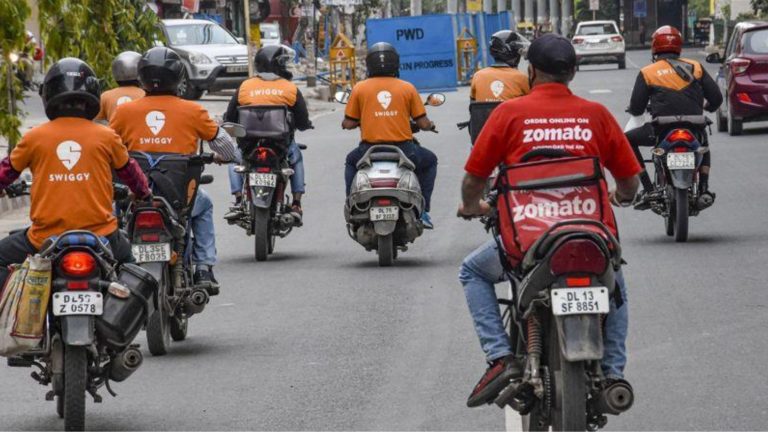
The report also highlights the fast expansion of the gig economy, which is transforming traditional employment patterns. India currently has over 12 million gig workers, and the number is expected to nearly double to 23.5 million by 2030. This growth is driven by digital platforms, freelancing opportunities, and increasing acceptance of project-based work.
Recruitment practices are also changing with the growing use of AI in hiring. Nearly 70 percent of IT companies and around half of banking and financial firms now use AI-based systems to screen candidates and analyse skill sets. These technologies help organisations identify suitable talent faster and improve the efficiency of recruitment processes.
The report further notes that hiring prospects remain strong. Companies expect about 40 percent of their future recruitment to involve newly created roles, signalling expansion in sectors such as technology, manufacturing, healthcare, renewable energy, and financial services.
Another emerging trend is the rise of Tier-2 and Tier-3 cities as employment hubs. Cities such as Indore, Coimbatore, Surat, Mysuru, and Trichy are gaining importance as companies expand beyond traditional metropolitan centres in search of skilled talent.
Overall, the India Skills Report 2026 concludes that India’s young workforce, growing digital infrastructure, and emphasis on skill development position the country as a key player in the global talent economy. However, the report stresses that continuous upskilling and closer collaboration between industry and education will be essential to prepare workers for the rapidly changing world of work.