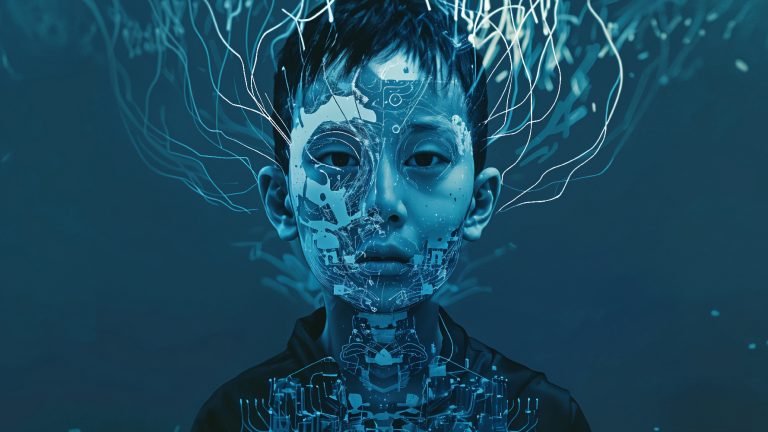
Every generation, at some point in time, finds itself standing in front of change that feels larger than its ability to fully understand, where the world seems to be shifting in ways that are difficult to predict and even harder to control, and in that moment, what emerges is not just curiosity about what is coming next, but a quieter and more persistent emotion-fear, not of technology itself, but of what that technology might take away.
This fear has accompanied every major transition in human history, from the arrival of machines that reduced the need for physical labour to the emergence of computers that redefined how work is performed, and now to the rise of intelligent systems that are beginning to influence decision-making itself, and yet, despite the differences in scale and complexity, the underlying emotional pattern remains strikingly similar, unfolding in layers that move from the visible to the deeply personal.
Understanding these layers is essential because what often appears as resistance to change is, in reality, a response to uncertainty about...