Patent law has always depended on imperfect signals. A patent application is rarely accompanied by a working prototype, and an examiner is not expected to repeat every experiment described in a specification. Instead, the system uses legal stand-ins: enablement asks whether the disclosure teaches skilled artisans how to make and use the invention; written description asks whether the applicant possessed what is claimed; utility asks whether the asserted use is specific and credible; and prior-art doctrine asks whether the public already had access to the relevant technical teaching. These doctrines are not mere formalities. They are reliability screens.
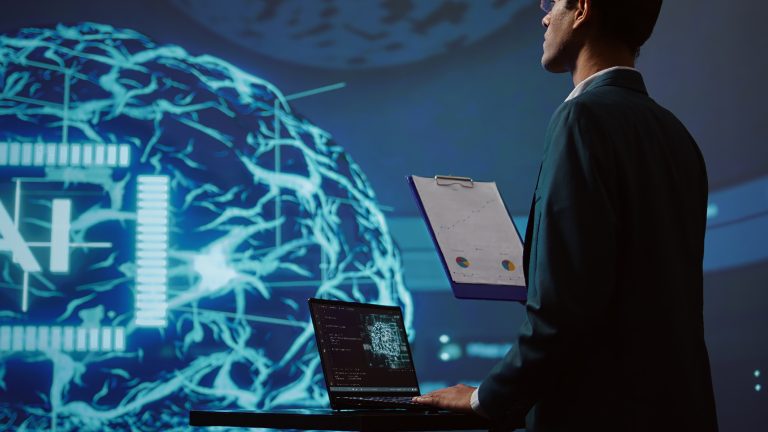
The difficulty is that generative artificial intelligence has made plausible technical writing cheap. A large language model can prepare an application-style specification, draft prophetic examples, describe optimisation pathways, and generate pseudo-technical publications in minutes. The output may read like a serious disclosure. It may use the vocabulary of engineering, chemistry, or machine learning with confidence. But...