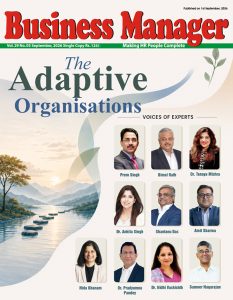
The workforce has been rewired. Not gradually, not quietly, but fundamentally, irreversibly, and at a speed that has left most organisations scrambling to catch up. Geography, once a hard constraint on talent, has all but dissolved in a borderless economy where the best people have more choices...
Author - Tusharika Singh
 is a seasoned HR leader, certified NLP Practitioner, Life & Wellness Coach, and a certified PoSH Trainer with over two decades of diversified experience across industries such as finance, real estate, and hospitality. She currently spearheads the HR and Corporate Affairs functions at JS Hospitality Services Pvt. Ltd. (Pind Balluchi).

If I look at the journey organisations are on, the first thing HR leaders must do is reposition emotional intelligence from being "nice to have" to "non-negotiable." When leaders hear HR framing EI as a performance driver rather than a personality trait, the mindset begins to shift.

HR contributes by bringing people data, behaviour insights, and change management capability to the table, making growth strategies not only well-designed but also executable.

When a culture is built with authenticity, trust, and transparency, it becomes the heartbeat of an organization. The culture we build today will not just be the blueprint for great companies, but will serve as the foundation for great legacies.

The future belongs to businesses that see their people as partners in progress, encouraging relationships built on mutual respect, and shared purpose.
One of the biggest trends in 2025 will be the rise of emotional intelligence in leadership. As AI takes over tasks, the human dynamics will define success.

A recurring concern emerged in a recent conversation with friends across various industry segments: the struggle with long hours, cumbersome responsibilities, and the quiet yet debilitating battle against work pressure and burnout. The perception of both varies widely-some see it as a normal and...
The challenge is to ensure that as we rely more on machines, we don't lose sight of the uniquely human skills-creativity, intuition, and emotional intelligence-that are essential for deeper connections and ethical leadership.

Before we delve into the challenges women encounter, it would be pertinent to acknowledge and pay tribute to the countless nurturers who provide 24/7 care and support to their families. These women dedicate their lives to caring for others, often without recognition or reward, performing invisible...
Good handling of conflict can spark creativity, generate new ideas, and strengthen bonds with co-workers. A careful observation of the team dynamics reveals that effective conflict management allows teams to synthesize diverse perspectives and ensure well-thought-out solutions.