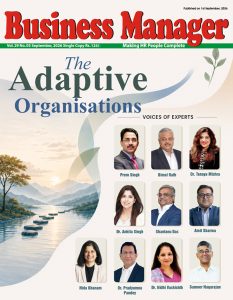
As organizations grapple with an evolving talent landscape, a striking paradox has emerged-an abundant workforce on one hand, and a persistent struggle to find the right talent on the other. In this insightful conversation, Dr. Vinod Bidwaik unpacks the deeper challenges behind this disconnect...
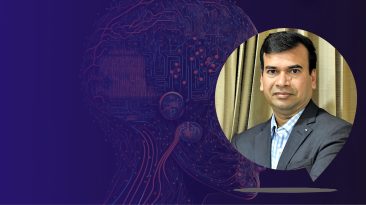
Author - Dr. Vinod Bidwaik
 is currently serving as CHRO and Group Director at AP Globale and Sakal Media Group. He is a global HR and management thought leader having more than 25 years of experience in HR with 20 years of leadership experience in big Indian and Multinationals industries, viz: manufacturing, media, automobile, life science & material science & machine equipment companies. Vinod has authored many books on personality development and HR. He has also been conferred with many HR awards and recognitions.

HR contributes by bringing people data, behaviour insights, and change management capability to the table, making growth strategies not only well-designed but also executable.

To address challenges, it’s time for companies to rethink how the TA function is structured and delivered.

The future of work in 2025 will be shaped by geopolitical changes, technological advancements, and evolving workforce dynamics. Organisations must prioritise strategic planning, skill development, and effective workforce management to navigate these changes.

HR should keep an eye on industry trends and company growth plans to predict future talent requirements and start scouting for talent with relevant language skills or cultural expertise ahead of time.
Artificial Intelligence & Human Resources
Striking a balance between efficiency and human judgment is necessary
Over-reliance on AI may devalue human input and compassionate decision-making. Ongoing monitoring and auditing of AI systems are imperative to identify and rectify any ethical concerns that may arise, promoting responsible and ethical AI usage in HR.

Rather than relying solely on incentives and performance bonuses, organisations should focus on creating a supportive work environment that fosters intrinsic motivation and a sense of purpose.
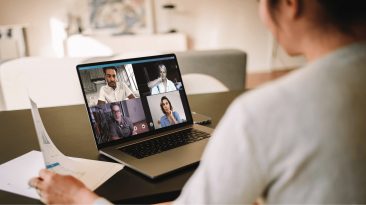
Communication is another skill which we need to focus on. In the normal course 7% communication happens through only verbal communication, voice 38% and 55% by body language. It also means that nonverbal communication is around 93%.

We also need to be positive in 2022 considering the spread of the Omicron variant. Few trends we should watch in 2022 are explained here.

Covid has accelerated all actions which organizations wanted to take. With this changed scenario, workplaces will be defined by personalised solutions, focus on wellbeing, culture, autonomy and inclusivity.