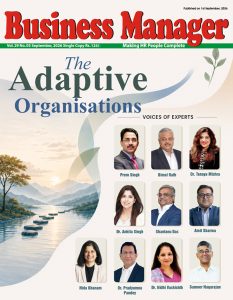
In today’s dynamic business environment, every organisation strives to achieve excellence through innovation, efficiency, and collaboration. Leaders continuously explore new ways to enhance business performance, streamline processes, and create workplaces that inspire growth. Building high-performing teams is at the heart of this transformation.
A high-performing team is not built overnight. It requires a combination of the right people, culture, leadership, and continuous learning. While hiring competent employees and providing them with advanced technological training is essential, true transformation happens when leaders focus on empowering every level of the workforce — especially those at the operational front who face daily challenges.
Thomas Edison once said, when asked about his 1,000 failed attempts to invent the light bulb, “I have not failed. I’ve just found 1,000 ways that won’t work.” This mindset of learning, unlearning, and relearning is crucial for building resilient teams. Success is not about copying others’ strategies but about adapting lessons to fit your unique environment and challenges.
Key Principles for Creating High-Performing Teams
- Foster a Culture of Trust and Fairness
A transparent and inclusive culture encourages open communication, collaboration, and accountability. When employees feel valued and trusted, they perform at their best.
Leverage Individual Strengths
Every team member brings unique skills and perspectives. Leaders should identify these strengths and assign roles that align with each person’s capabilities to maximise productivity and engagement.
Also read – Dipeeka Walvatkar Pendurkar joins BlackRock as Vice President-HR & ER, APAC
Encourage Continuous Learning
Promote a mindset of growth by providing opportunities for skill development, cross-functional training, and exposure to new technologies. Encourage employees to learn from both successes and failures.
Promote Creativity and Innovation
Allow team members to think freely and contribute ideas. Innovation thrives in environments where experimentation is encouraged and mistakes are viewed as learning opportunities.
Implement Proven Techniques with Adaptability
While proven strategies can guide success, leaders must adapt them to fit their organisation’s specific context. What worked elsewhere may not yield the same results without customisation.
Empower Decision-Making
Give teams the autonomy to make decisions within their scope. Empowered employees take ownership of their work and are more motivated to achieve collective goals.
Evaluation and Evolve
Regularly assess team performance, identify gaps, and make necessary adjustments. Continuous evaluation ensures that the team remains aligned with organisational objectives.
VMOSA and Organisational Effectiveness
Vision, Mission, Objectives, Strategies, and Action Plans (VMOSA) form the backbone of any successful organisation. Each element plays a vital role in shaping direction, defining purpose, and ensuring accountability. A well-defined VMOSA framework helps leaders and teams align their efforts toward a shared goal.
- Vision provides the long-term aspiration — the “why” behind the organisation’s existence.
- Mission defines the organisation’s purpose and the path to achieve the vision.
- Objectives set measurable targets that translate the mission into actionable outcomes.
- Strategies outline the approach to reach those objectives.
- Action Plans break strategies into specific, time-bound tasks with clear Key Result Areas (KRAs) and Key Performance Areas (KPAs).
Each step ensures clarity, responsibility, and focus. Leaders must cultivate discipline and consistency to strengthen the organisation’s foundation and sustain productivity.
Identification of High-Potential (Hi-Pot) Employees
Recognising and nurturing high-potential employees is essential for building a strong leadership pipeline. These individuals demonstrate exceptional performance, deep knowledge, and proactive engagement. The Human Resources department should establish clear parameters for identifying Hi-Pot employees, such as:
- Performance ratings over the past two to three years
- Technical and functional expertise
- Dedication, contribution, and initiative
- Leadership qualities and team influence
By identifying and developing these employees, organisations can enhance internal capability, ensure succession readiness, and maintain a culture of excellence.
Identification of Stagnant Employees
Equally important is identifying employees who may become stagnant. These individuals might have contributed significantly in the past but may now lack motivation or adaptability. Rather than dismissing them, organisations should focus on re-energising and redeploying them effectively.
Strategies include:
- Assessing current skills and aligning them with new roles
- Providing reskilling and upskilling opportunities
- Encouraging participation in new projects or initiatives
- Recognising their past contributions while setting new expectations
Empathy and fairness are key. While separation may sometimes be necessary, it should always be handled with respect and transparency to preserve trust and goodwill.
Resolving Conflicts
Conflict is inevitable in any organisation due to diverse personalities, perspectives, and working styles. However, effective conflict resolution strengthens collaboration and innovation. Common sources of conflict include:
- Miscommunication or unclear expectations
- Competing priorities between teams or functions
- Lack of recognition or perceived bias
- Leadership or decision-making gaps
Leaders must adopt a balanced approach — listening actively, addressing issues promptly, and fostering open communication. A top-down approach that emphasizes fairness, transparency, and accountability helps minimise disputes and maintain harmony across all levels.
Transparent and High Communication: Transparent communication is the foundation of a strong organisation, just as a building relies on a deep and solid base. Over-communication is always better than under-communication, as a lack of clarity often leads to confusion and chaos. When communication flows freely—both formally and informally, it strengthens trust, enhances collaboration, and drives performance.
Also read – Rasik Dave joins V S International as Head – Human Resources
In any environment, whether between countries, vendors, or suppliers, seamless information exchange opens new opportunities and empowers employees. Providing every individual with the key information related to their role helps them take ownership, stay focused, and engage effectively in achieving organisational goals.
Pulling Together Strategy: Creating a culture of accountability begins with uniting the team. Assigning cross-functional projects encourages collaboration and helps overcome challenges collectively. The philosophy of “pulling together” transforms a “ME” mindset into a “WE” mindset, fostering unity and shared purpose.
Leaders play a crucial role in this transformation by appreciating individual contributions, coaching employees, and enhancing their capabilities. A cohesive team becomes the true strength of the organisation. As Henry Ford said, “Coming together is beginning, keeping together is progress, working together is success.”
Performance Management System: Building a high-performing culture requires more than just setting expectations—it demands the right tools, roles, and coaching. A well-designed performance management system recognises that every organisation is unique. It focuses on motivating employees, equipping them with resources, and guiding them to uncover new insights and solutions to business challenges.
A positive and collaborative approach fosters teamwork and encourages employees to help one another. When individuals are mentally prepared and supported, they contribute more effectively to the organisation’s success.
Accelerating Team Results: Every individual brings unique strengths that, when combined, can accelerate organisational performance. Some leaders naturally anticipate challenges, craft strategies, and act decisively. Others may require coaching to build confidence and fully utilise their potential.
Regardless of their style, effective leaders share a common belief in the organisation’s goals. They mentor others, create a healthy work environment, and inspire their teams to achieve excellence. By aligning individual competencies with collective objectives, organisations can accelerate results and sustain long-term success.
Key Indicators Benefiting Organisations
- Empowering Leadership: Effective leaders enable their teams by building competence, influencing decisions, anticipating business challenges, and providing continuous training, coaching, and mentoring. This accelerates team performance and drives organisational success.
- Growth Mindset within Teams: Teams that possess a strong desire to grow and advance are unstoppable. When leaders nurture this passion, it leads to sustained progress and achievement across the organisation.
- Long-Term Vision: True leadership focuses on long-term organisational benefits rather than temporary fixes. Strategic foresight ensures stability, growth, and resilience in changing business environments.
- Decisiveness and Negotiation Skills: Leaders with strong decision-making and negotiation abilities foster a healthy, productive environment. Their confidence and clarity help maintain organizational balance and deliver strong results.
- Skill-Based Project Allocation: Assigning projects based on individual competencies ensures optimal performance. Regular reviews, mentoring, and guidance from leaders help align efforts with organisational goals and enhance team development.
- Integrity and Fairness: A leader’s prompt and fair approach earns trust from subordinates, peers, and superiors. Their character and behaviour form the cornerstone of their influence and authority within the organisation.
- Optimism and Change Leadership: Optimistic leaders inspire transformation. Their positive outlook drives innovation, reshapes work culture, and propels the organisation toward new opportunities and achievements.
- Collaborative and Simplified Work Approach: Leaders who promote collaboration and streamline processes create efficient, harmonious workplaces. Their knowledge and adaptability empower teams while maintaining organisational stability and progress.
Conclusion
An organisation’s success depends on its ability to align vision with action, recognise talent, manage stagnation, and resolve conflicts constructively. When leaders integrate these principles into their daily practices, they create a culture of growth, trust, and sustained performance.
Creating high-performing teams is a continuous journey of learning, adaptation, and collaboration. Leaders who invest in understanding their people, fostering innovation, and applying the right strategies will build teams capable of driving sustainable success. The essence lies not in avoiding failure but in learning from it — just as Edison did — to illuminate the path toward excellence.