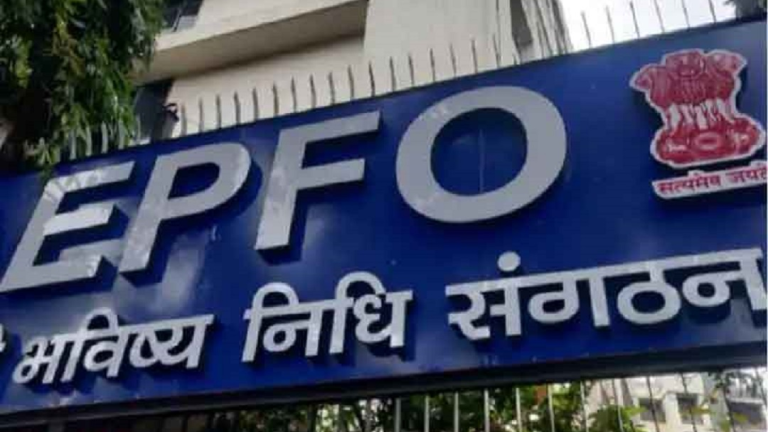
New Delhi — October 17, 2025. The Employees’ Provident Fund Organisation (EPFO) and the Ministry of Labour & Employment this week announced a revision to long-standing provident-fund withdrawal rules that allows members who lose employment to immediately withdraw 75% of their EPF balance (employee + employer contributions plus interest). The remaining 25% can be taken after a one-year unemployment period, a move the government says balances short-term relief for workers with long-term retirement security.
Under the revised framework:
- A member who becomes unemployed may immediately withdraw up to 75% of their EPF account balance. The 75% figure includes both employer and employee contributions plus accrued interest.
- The remaining 25% of the EPF balance becomes withdrawable after the member has remained unemployed for one year. Full settlement before that period is restricted to existing exceptions (retirement at 55, permanent disability, leaving India permanently, etc.).
- Partial-withdrawal rules for specific needs (housing, education, marriage, special circumstances) have been simplified and some limits liberalised — for example, education and marriage withdrawal frequency limits have been relaxed. EPFO has also simplified documentation and lowered minimum service criteria for many partial withdrawals to 12 months.
The Ministry and EPFO described the package as part of an effort to make the EPF more flexible and responsive to job-loss shocks while preserving a core retirement buffer. An official press release summarised the intent as allowing immediate access to most funds on unemployment but preserving a minimum balance of 25% to retain eligibility for pension and a safety net.
Also read – Karnataka Domestic Workers (Social Security and Welfare) Draft Bill, 2025
Govt. rationale behind these changes is that workers facing sudden unemployment often need liquidity for immediate expenses, but unrestricted full withdrawal erodes long-term retirement and pension entitlements. The one-year retention of 25% is intended to preserve continuity of service records tied to pension eligibility under the Employees’ Pension Scheme (EPS). The government also points to simplification of partial-withdrawal procedures as a benefit for members. Reaction and concerns
However, legal experts, pension advocates and some policy commentators warned the change could weaken long-term retirement security and complicate pension accrual rules under EPS. Questions were raised about whether members fully understand the trade-off between short-term liquidity and the erosion of future pension benefits; some argued the measure risks converting forced savings into consumption during downturns. Coverage noted social media backlash and calls for clearer communication on the EPS implications. The government moved quickly to clarify the rules after public concern and pointed to official FAQs and press notes to reduce confusion.
Workers who lose jobs suddenly — particularly those without other savings or with immediate liabilities — will be able to access three-quarters of their EPF balance immediately. This can help households avoid high-cost borrowing. But members who rely on EPF/ EPS continuity to build pension entitlements should be cautious. Retaining the mandatory 25% for one year is intended to preserve pension continuity, but experts note that repeated withdrawals or premature full exits could affect future pension calculations and long-term retirement income. Readers are advised to check EPS rules and seek guidance if close to pension-threshold service periods.
EPFO said applications and claims will continue to be processed through its existing online portals and that the revised rules include procedural simplifications for common partial withdrawals (less documentary burden, streamlined eligibility checks). The Ministry’s press note and EPFO website are the official sources for forms, eligibility checks and step-by-step guidance. Members planning to withdraw should consult EPFO’s official FAQ or their nearest EPFO office to understand the exact documentation and timelines.
The 75% immediate withdrawal rule aims to strike a balance by providing workers quick access to most of their PF savings after job loss, while retaining a 25% safety buffer to protect pension continuity. The full consequences for long-term pension outcomes will depend on how individual members use the flexibility and whether further clarifications or legal challenges arise.