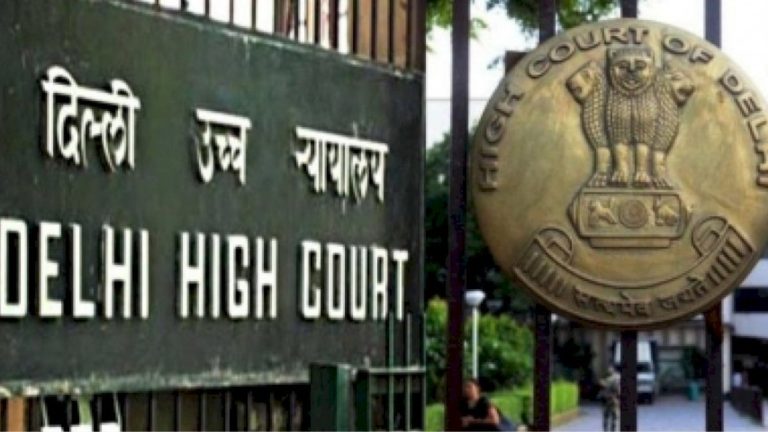
New Delhi, March 30, 2026: The Delhi High Court has ruled that the absence of management witnesses in a banking disciplinary enquiry does not automatically invalidate the proceedings, provided that the findings are supported by reliable documentary evidence.
In P.K. Varun v. Punjab National Bank (PNB), W.P.(C) 7894/2018 decided on 25th March 2026 Court made this observation while adjudicating a petition challenging disciplinary action taken against a bank officer. The petitioner had contended that the enquiry stood vitiated as no management witnesses were examined and the documents relied upon were not formally proved.
The Court, however, held that in banking-related disciplinary matters, documentary records such as account statements, internal reports, and inspection materials often form the core evidentiary basis. It emphasized that the mere absence of oral testimony does not render an enquiry defective if the conclusions are backed by credible records.
Also read – Raymond appoints Sarita Tripathi as CHRO for Precision Engineering and Global Aerospace
Rejecting the petitioner’s arguments, the Court observed that departmental enquiries are not governed by the strict rules of evidence applicable in criminal trials. Instead, the applicable standard is whether there is “some material” on record to support the findings.
Importantly, the Court clarified that procedural lapses—such as failure to examine witnesses or objections regarding the mode of proof of documents—will not vitiate proceedings unless the employee can demonstrate actual prejudice caused to their defence.
The judgment also reiterated the limited scope of judicial review in disciplinary matters, noting that courts do not function as appellate authorities to reappreciate evidence but only examine whether the decision-making process was fair, reasonable, and in accordance with principles of natural justice.
Concluding that the enquiry in the present case was supported by sufficient documentary evidence and did not suffer from procedural unfairness, the High Court declined to interfere with the disciplinary findings.