Over the past decade, employee wellbeing has undergone a remarkable transformation. What was once largely limited to health insurance and statutory benefits has evolved into a much broader agenda. Organisations today invest in mental wellness programmes, annual health check-ups, flexible benefits, counselling services and a growing range of financial wellbeing initiatives.
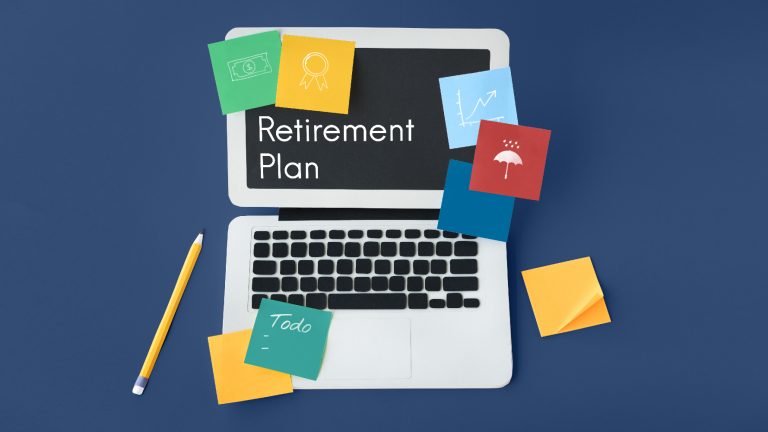
Yet, amid all this progress, one important aspect of employee wellbeing continues to receive far less attention than it deserves- retirement planning.
Retirement is one financial goal every employee shares, regardless of age, designation or income. So why does it remain so rarely discussed at work?
In my conversations with young professionals, the response is fairly predictable. Few say retirement isn’t important. Instead, I hear: “I’m only 27. Isn’t it too early?” or “I don’t save much tax today, so why invest for retirement now?” Others simply plan to start once their income reaches a certain level.
These responses reveal something HR leaders often overlook: the challenge isn’t unwillingness to prepare for retirement, but the belief that planning can always start later.
Unlike health or life insurance, retirement planning is rarely explained with the same clarity during onboarding and benefits enrolment. Many employees therefore spend their early careers focused on immediate priorities while delaying a decision that benefits most from time.
Why retirement planning rarely gets the attention it deserves
Human behaviour naturally favours immediate needs over distant ones. EMIs, children’s education, a car or the next holiday can easily take precedence over a retirement corpus that may be three decades away. Retirement therefore becomes something employees intend to do “later”. Unfortunately, later often becomes much later.
One reason is that retirement products are often judged by today’s tax savings rather than tomorrow’s financial outcomes. I often hear employees say, “I don’t fall into a high tax bracket yet, so why invest in NPS?” The focus remains on today’s deduction rather than what decades of disciplined investing could create.
Also read – Fibe appoints Vivek Sapre as Chief Human Resources Officer
That perception has also shaped the way many organisations communicate retirement benefits. Discussions around retirement often become active only during the annual tax declaration season, reinforcing the belief that the National Pension System (NPS) exists primarily to reduce taxable income. NPS is a retirement solution where tax efficiency is one of several advantages, but its value is better understood over an employee’s entire working life.
The bigger question for employees shouldn’t be how much tax they can save today, but how early they can start preparing for tomorrow.
Retirement planning belongs in the workplace
The workplace may be the most effective place to introduce retirement planning.
Every organisation already shapes employee behaviour through benefits. Health insurance, life insurance, flexible benefits, gratuity and provident fund become familiar because they are embedded in HR and payroll communication.
Retirement planning deserves the same place in that conversation.
This doesn’t mean HR should become a financial adviser or recommend where employees should invest. Rather, it means creating an environment where employees understand the retirement benefits available to them and are encouraged to start planning early.
Time is the single biggest advantage a young employee has.
A 25-year-old may not appreciate another tax deduction today. But starting three decades before retirement could be one of their most valuable financial decisions. That opportunity is often lost because retirement planning enters the conversation too late.
Corporate NPS is perhaps one of the most practical ways of bringing retirement planning into the workplace.
Corporate NPS brings retirement planning into the workplace through structured, payroll-linked contributions. Instead of relying on employees to remember to invest or wait for surplus income at the end of the month, the behaviour becomes part of the monthly payroll cycle—making retirement planning easier to adopt and sustain.
That is perhaps the biggest opportunity before HR today- not simply to introduce another employee benefit, but to make retirement planning a natural part of the employee wellbeing journey.
Redefining employee wellbeing for the future of work
The next evolution of employee wellbeing is helping employees prepare for financial security long after their careers have ended.
This is particularly relevant in India, where individuals carry much of the responsibility for building their retirement corpus. That makes the workplace an important environment for encouraging disciplined, long-term planning.
HR’s role isn’t to advise employees where to invest. It is to make credible retirement solutions accessible, benefits understandable and early planning easier. Corporate NPS is one way to do that through a structured, payroll-linked approach.
In a country where retirement security depends significantly on individual savings, employers can influence outcomes far beyond an employee’s years of service. Helping employees start early may be one of the most meaningful financial wellbeing initiatives an organisation can offer.
The future of work isn’t only about helping employees perform better during their careers. It is also about preparing them for life after work.
Because the most meaningful employee benefits don’t end with employment. They prepare employees for what comes next.