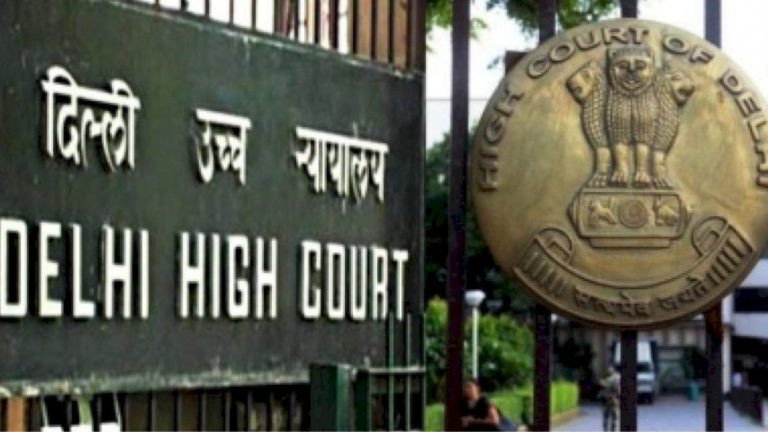
In a significant ruling for workplace compliance, the Delhi High Court in the case of AX v. Union Of India & Ors. (2026:DHC:10377) has clarified that an organization’s Internal Complaints Committee (ICC) lacks the statutory jurisdiction to inquire into sexual harassment complaints filed against an employer. Under the Sexual Harassment of Women at the Workplace (Prevention, Prohibition and Redressal) Act, 2013 (POSH Act), such complaints must be handled exclusively by the district Local Committee (LC).
A single-judge bench of Justice Amit Mahajan issued the directive while setting aside an ICC inquiry report and an Industrial Tribunal order involving the former Director General of The Energy Resources Institute (TERI).
Case Background
The case stemmed from a POSH complaint filed by a former Research Assistant at TERI against the institute’s erstwhile Director General. TERI’s ICC conducted an inquiry and found against the accused, a decision later upheld by the Industrial Tribunal. Following the accused’s death in 2020, his legal representatives challenged both the ICC report and the Tribunal’s judgment before the High Court.
Also read – ESIC Notifies 2026 Regulations Under Social Security Code; Replaces 1950 Rules
Key Legal Findings
The Court held that complaints against an “employer” under Section 2(g) of the POSH Act must go to the Local Committee under Section 6(1), not the ICC. Lack of jurisdiction invalidates proceedings from the root; a failure to object initially does not cure the defect.Committees must provide respondents with copies of relied-upon witness statements and documents to ensure a fair defence.
The matter was remitted to the competent Local Committee to evaluate fresh evidence and consider the impact of the accused’s 2020 passing.
Compliance Takeaways for HR
- Verify Respondent Status: HR and ICC members must screen whether an accused qualifies as an “employer” (such as a DG, CEO, or director) at the intake stage.
- Mandatory External Routing: Complaints targeting top leadership must immediately be redirected to the district Local Committee rather than being handled internally.
Protect Procedural Integrity: Jurisdictional flaws cannot be bypassed or waived, and failure to adhere to basic natural justice principles will invalidate the entire inquiry.