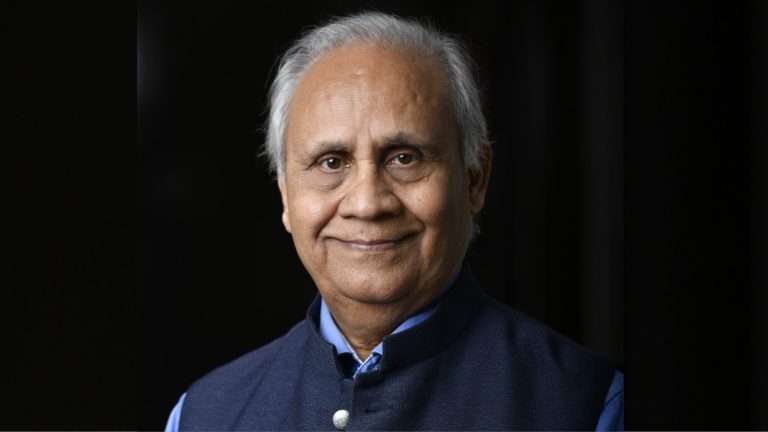
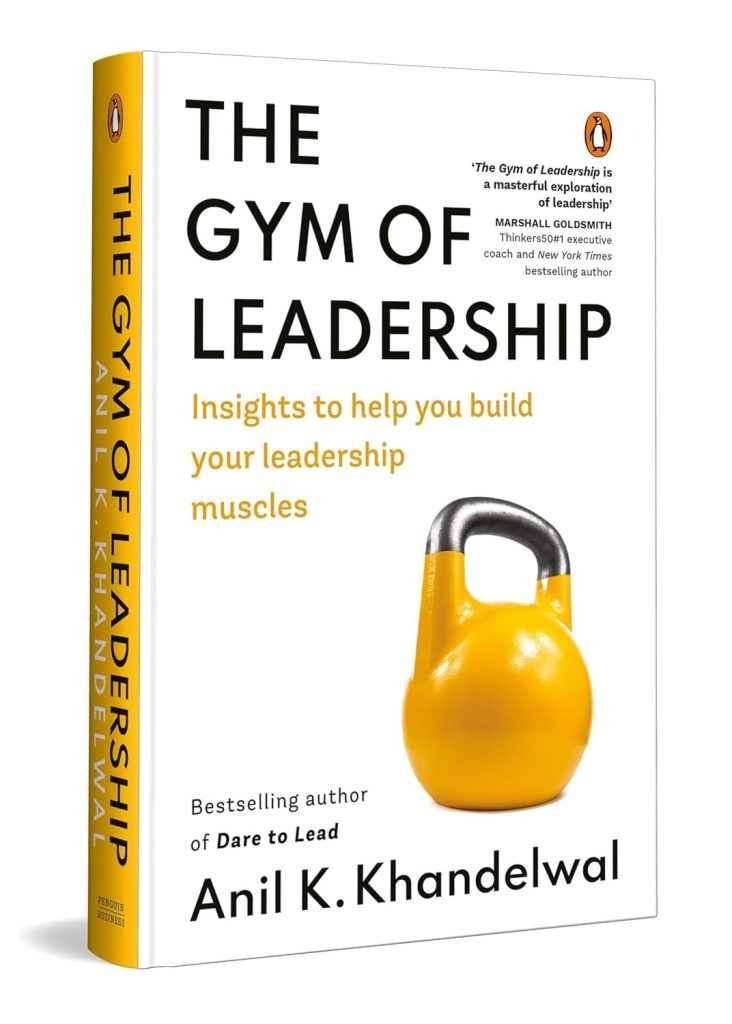
Your new book has received tremendous international acclaim from thought leaders such as Jeffrey Pfeffer (Stanford), Michael Useem (Wharton), Jagdish Sheth (Emory), Manfred Kets de Vries (INSEAD), Marshall Goldsmith (world’s No. 1 coach), and Prasad Kaipa (George Washington University). One HR leader even described it as the “Bhagavad Gita of Leadership Development.” That’s high praise. Can you share the essence of The Gym of Leadership?
AKK I’m deeply humbled by the positive reception, both in India and globally. Over the last 35 years, I’ve come to understand that leadership, while essential for long-term success and organizational sustainability, is often not given due priority on the agendas of many Boards. Many leaders are promoted based on financial performance alone, which does not necessarily equate to great leadership. True leadership development requires an environment that fosters continuous learning, hands-on experiences, and growth through challenges.
There are countless books on leadership. What distinguishes The Gym of Leadership from the rest?
AKK That’s something I’ve reflected on quite a bit-why write another leadership book? Many leadership books focus on the characteristics of successful leaders or provide a list of dos and don’ts. However, they often overlook the how-how to systematically build leadership as a skill.
The central premise of The Gym of Leadership is that leadership is not an inborn trait or something one inherits; it’s a skill that can be cultivated, much like learning to play a musical instrument or excelling at a sport. I use the metaphor of a gym to illustrate this. Just as we train in a gym to build physical strength-often with the guidance of a coach-aspiring leaders must dedicate themselves to developing leadership skills through consistent practice, discipline, and reflection. Like athletic training, leadership development is a continuous journey that requires real-world application, feedback, and personal growth.
What are the foundational skills that aspiring leaders should focus on developing?
AKK The book outlines 18 foundational leadership skills, organized into four primary categories:
1. Understanding the Self : Self-awareness, reflection, self-management, self-discipline, time management, and resilience.
2. Emotional Regulation : Managing anger, cultivating compassion, and demonstrating courage.
3. Managing Relationships : Building authentic connections, credibility, humility, fairness, and trust.
4. Communication and Conversations : Effective communication, active listening, detoxifying conversations, and engaging in meaningful dialogue.
Each chapter has two parts: the first part delves into the theoretical framework, its relevance, and supporting research, while the second part takes readers to the “leadership gym,” where they can practice the skill with actionable steps. At the end of each chapter, reflective questions guide readers toward crafting their own personalized development plan.
Do leadership skills vary across different hierarchical levels, and are they sector-specific-whether in corporate, NGOs, SMEs, defense, etc.?
AKK Leadership transcends both hierarchy and sector, but it is also deeply contextual. While core leadership skills remain consistent at all levels, the depth and focus of each skill must evolve as one rises within the hierarchy. Leadership is a dynamic process, and the key skills-such as self-awareness, emotional regulation, relationship management, and communication-must be continuously refined through experience and adaptation to different contexts. Strong leadership is built on a solid foundation, and these foundational skills must remain at the core, regardless of the level or sector.
May I ask you a personal question?
AKK Absolutely, go ahead.
What are three key leadership skills you’ve consciously developed throughout your career?
AKK Credibility has been a cornerstone of my leadership journey, a value deeply rooted in me since childhood, thanks to my mother’s recitation of a verse from the Ram Charit Manas: “Raghukul Reet Sada Chali Aayi, Pran Jaye Par Vachan Na Jaye” (the Raghu dynasty’s tradition is to uphold one’s word, even at the cost of life). Additionally, I’ve continuously refined my practice of self-reflection, which has been essential for my growth, and honed my communication skills, particularly in being responsive. Leadership, to me, is a lifelong learning process, and it demands constant self-examination and improvement.
Excerpt from The Gym of Leadership:
“Leadership is often misunderstood as the mere possession of authority or a high-ranking position. True leadership is not about holding onto power but about leveraging your position to serve a greater cause-one that extends far beyond personal ambition.”
Stay connected with us on social media platforms for instant updates click here to join our LinkedIn, Twitter & Facebook