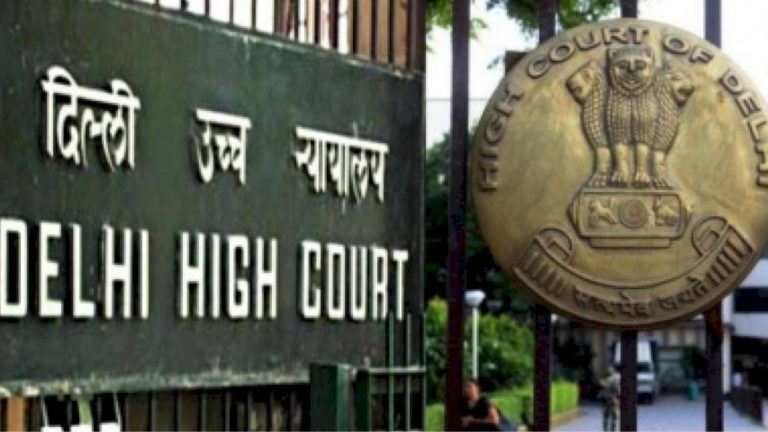
Delhi High Court in the case of Sarita Tiwari v. Deccan Charters Private Limited (LPA 706/2019 & CM APPL. 48416/2019 decided on 28.1.26) has held that probationary employees qualify as ‘workmen’ under the Industrial Disputes Act, 1947, and that wages paid under Section 17-B of the Act cannot be recovered by the employer even if the employee’s termination is ultimately upheld as lawful.
The Division Bench overturned a Single Judge’s finding that probationers were excluded from the definition of workman.
The High Court held that there is no distinction between permanent and probationary or temporary employees in the statutory definition of a ‘workman’ under Section 2(s) of the Industrial Disputes Act. As long as a person is employed to perform work for hire or reward—whether manual, skilled, technical, clerical or supervisory—they fall within the protective ambit of the Act.
Also read – Capgemini Appoints Vinisha S as HR Head- Talent Management
While upholding the legality of the probationary employee’s termination due to the absence of a formal departmental inquiry, the Court categorised it as termination simpliciter rather than punitive dismissal.
Even though the termination was held to be valid, the Court reaffirmed established jurisprudence that wages paid under Section 17-B—which provides for payment of full wages to a reinstated workman during the pendency of proceedings—are not recoverable from the employee if the employer eventually succeeds in contesting the reinstatement. The Court emphasized that Section 17-B serves as a statutory subsistence protection to mitigate hardship during litigation and is not meant to be a refundable or conditional payment.
The employee in the case was terminated while on probation by the employer, Deccan Charters Private Limited. Labour Tribunal earlier found the termination to be illegal and directed reinstatement with full back wages and continuity of service. This award was challenged by the employer in the High Court. While a Single Judge upheld the termination and excluded probationers from workman status, the Bench in the present judgment reversed the latter finding and confirmed protections under the Act.