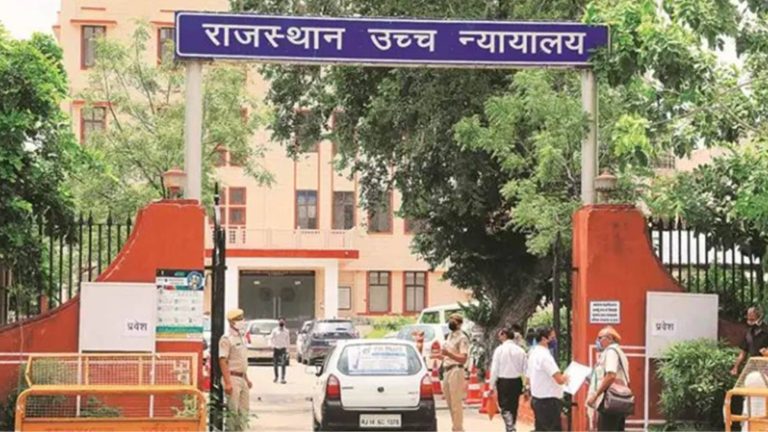
The Rajasthan High Court in the case of Satya Narain v the Judge, Central Industrial Tribunal & Anr.(S.B. Civil Writ Petition No. 14013/2011)decided on 6.1.26 has held that termination of a workman in violation of Section 25F of the Industrial Disputes Act, 1947 does not automatically entitle the employee to reinstatement with back wages, emphasising that relief must be decided based on the facts and circumstances of each case.
The court observed that while non-compliance with Section 25F — which mandates notice, compensation, and procedural safeguards before retrenchment — renders the termination illegal, reinstatement is not an inevitable or mechanical consequence. The court clarified that alternative relief such as monetary compensation may be more appropriate, particularly in cases involving long delays, short duration of service, or strained employer-employee relationships.
Also read – Vikram Solar Names Biresh Ranjan Das as Senior Vice President – Human Resources
The ruling came while deciding a petition challenging an award passed by a Labour Court that had ordered reinstatement of a terminated workman solely on the ground of violation of Section 25F. The High Court noted that modern judicial trends favour a balanced approach that considers equity, practicality, and industrial harmony.
“The object of labour law is not merely to punish procedural lapses, but to ensure fair and just outcomes. Reinstatement should not be granted as a matter of course,” the court remarked.
Relying on several Supreme Court precedents, the High Court reiterated that compensation in lieu of reinstatement is often a more realistic remedy, especially when the employment was not permanent or when a considerable time has elapsed since termination.
Accordingly, the court modified the Labour Court’s award and substituted the direction of reinstatement with a grant of lump-sum compensation of Rs.1.5Lakh to the workman.
The judgment is significant as it reinforces the evolving judicial approach in labour disputes, signaling that technical violations alone will not guarantee reinstatement, and that courts will increasingly focus on pragmatic and equitable remedies.
Source: 2025 LiveLaw (Raj) 16