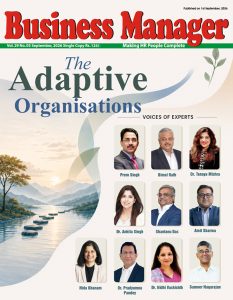
The modern corporate landscape is facing a silent, trillion-dollar haemorrhage. Despite an era of unprecedented digital connectivity- where Slack channels buzz continuously and hybrid schedules promise the “best of both worlds”- employees are fundamentally disconnected. The numbers paint a sobering picture. Recent empirical findings from the Gallup State of the Global Workplace 2026 Report reveal that global employee engagement has stagnated at a staggering 20%, imposing an estimated $10 trillion productivity drag due to psychological disengagement. More alarmingly, workplace isolation has escalated from an elusive “soft HR issue” into a quantifiable organisational threat. Cross-sectional data compiled by Gallup and Reward Gateway indicate that 1 in 5 employees (20%) globally experience severe, chronic loneliness at work on any given day. This metric spikes to 25% for exclusively remote cohorts. Demographically, the burden is highly concentrated: Millennials (49%) and Generation Z (40%) report the highest susceptibility to workplace isolation, with 27% of...
Learning & Development
Re-Engineering Toxic Isolation into Ecosystems of Belonging

Why curing workplace loneliness demands systems thinking, genuine friendships, and a pivot away from forced perks. It is not an act of emotional charity; it is an act of rigorous organisational re-engineering.

Priyabrata Swain
a full-time doctoral scholar at IIT Kharagpur and qualified HR professional, specializes in workplace toxicity and generational dynamics
View all posts


Author

Priyabrata Swain
a full-time doctoral scholar at IIT Kharagpur and qualified HR professional, specializes in workplace toxicity and generational dynamics

Dr. Aradhna Malik
is an Assistant Professor at VGSoM, IIT Kharagpur, with over two decades of experience across academic teaching and corporate MDPs.