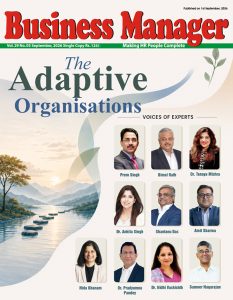
The world of work is undergoing a big reset. One that is not cyclical, but structural. Organisations are no longer merely adapting to change; they are being reshaped by it. The convergence of technology, shifting employee expectations, and evolving business models has triggered what can only be described as a “talent reset.” For HR leaders, it demands more than incremental adjustments. It calls for a fundamental rethinking of how work is designed, how skills are developed, and how workforce strategies are executed.
At the heart of this reset is the redefinition of work itself. Traditional job roles, once static and well-defined, are giving way to fluid, project-based assignments. Work is increasingly being unbundled into tasks and outcomes, enabled by digital platforms and remote collaboration tools. As several leaders point out, this shift requires HR to move beyond rigid job descriptions toward dynamic role architectures that prioritise agility, skills, and cross-functional capabilities.
Equally significant is the transformation of the skills landscape. The half-life of skills continues to shrink, making continuous learning a business imperative. Insights from industry experts underline that while technical expertise remains vital, human capabilities-adaptability, critical thinking, collaboration, and emotional intelligence-are becoming the true differentiators. Organisations, therefore, have no alternative but to invest in large-scale reskilling and upskilling initiatives, with a growing emphasis on learning agility and potential rather than static qualifications.
Workforce strategy, too, is being reimagined. The traditional boundaries between employees and external talent are blurring, giving rise to a blended workforce that includes gig workers, freelancers, and strategic partners. As highlighted by talent acquisition leaders, this model offers flexibility and access to diverse skills, but also demands new approaches to engagement, culture-building, and governance. HR’s role is expanding from managing headcount to orchestrating a complex talent ecosystem.
Finally, the talent reset is deeply tied to purpose and experience. Voices across the interviews consistently stress that employees today seek meaning, flexibility, and well-being alongside career growth. Organisations that respond to these expectations with authenticity are better positioned to attract and retain talent.
The talent reset is not a distant possibility. It is already unfolding. As this issue illustrates, the organisations that embrace this shift with clarity and conviction will define the future of work, with HR at the forefront of that transformation.
This cover story explores the theme through a rich set of conversations with CHROs, HR practitioners, and talent acquisition experts, each offering a distinct lens on how organisations are navigating this transition. Their perspectives reveal both the complexity of the challenge and the creativity of the responses emerging across sectors.
If you like it let us know. If not, well, let us know that too.
Happy Reading